
YANUNI Fund

The YANUNI Fund was created to strengthen the resistance and autonomy of Indigenous Peoples in defending their territories, cultures, and the Amazon.

Support the YANUNI Fund
About

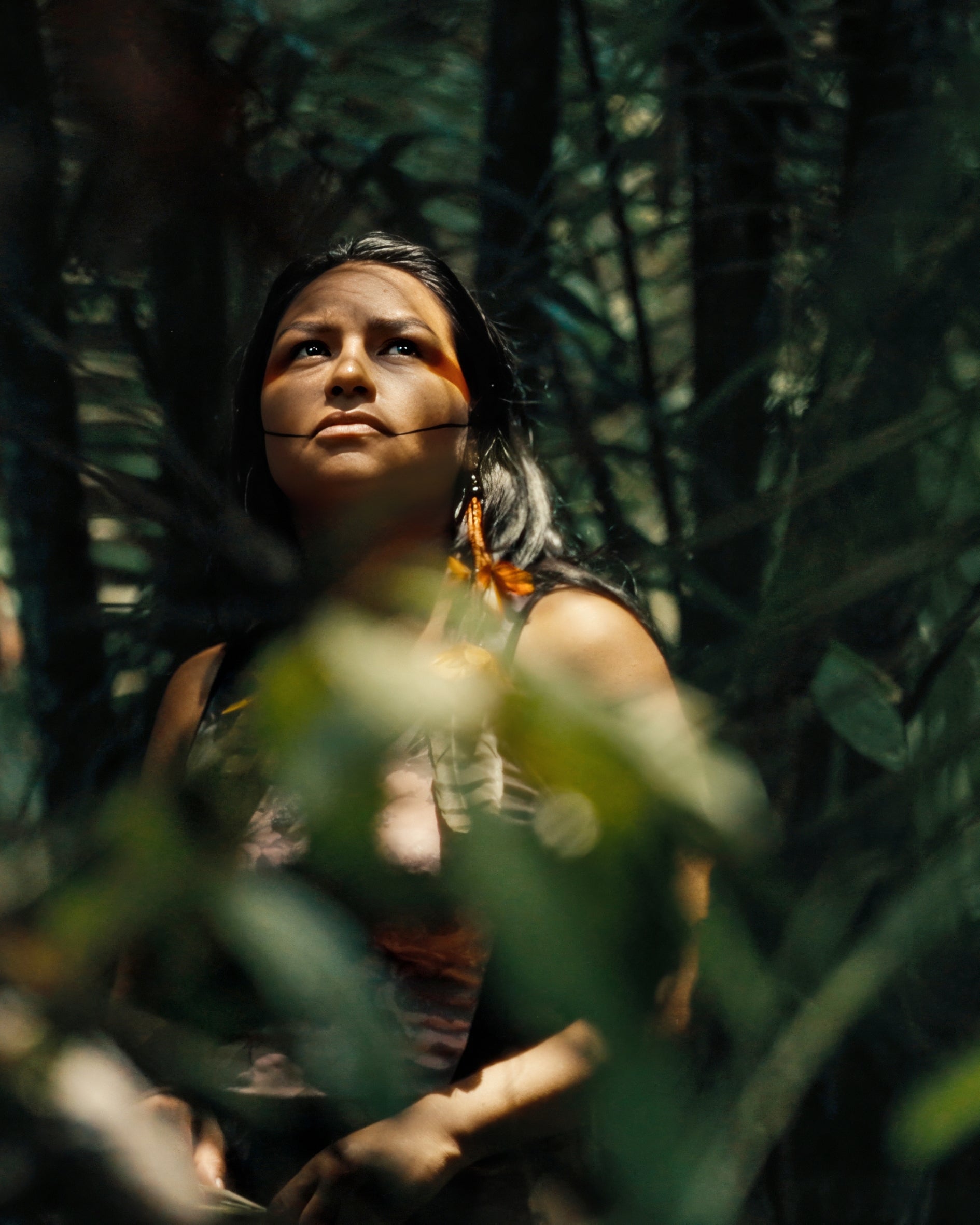
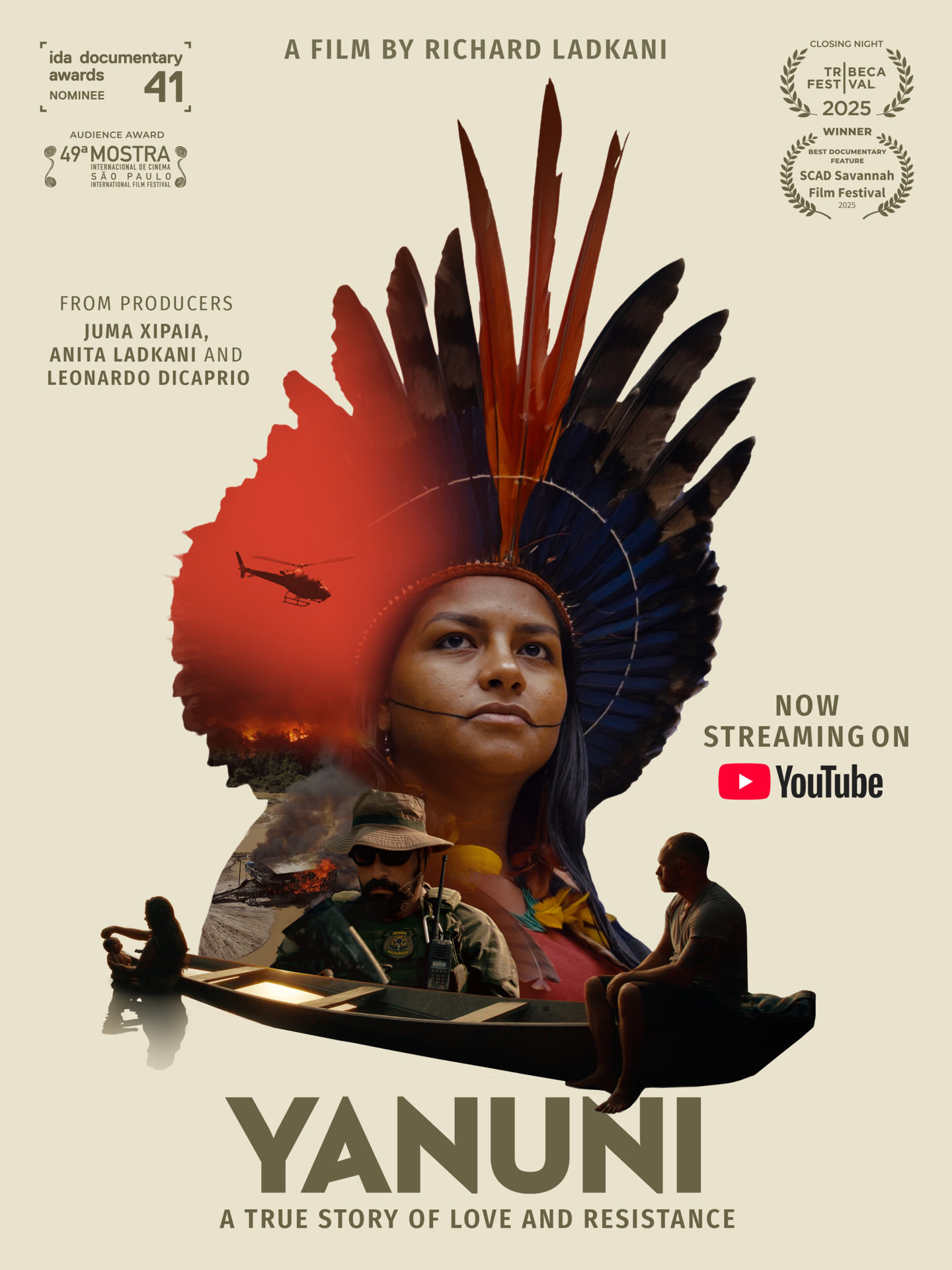
The documentary YANUNI follows Juma Xipaia’s journey into the political forefront of climate justice. She is one of the leading voices of the Xipaya Indigenous Territory and the Terra do Meio region, an area encompassing 12 Indigenous territories, three extractive reserves and many conservation units, together covering more than 10 million hectares of forests under intense threat. An activist, environmentalist, and feminist, Juma is an inspiration to Indigenous women leaders across the Middle Xingu region. Founded in 2020, the Juma Institute grew out of its founder’s struggle against the environmental, cultural, and territorial destruction caused by large-scale development projects, as well as against the corruption and co-optation of Indigenous and non-Indigenous leaders.

The YANUNI Fund was created to strengthen the resistance and autonomy of Indigenous Peoples in defending their territories, cultures, and the Amazon.

Through the creation of a five-year impact platform (2026–2030) coordinated by the Juma Institute, the Fund will channel resources toward long-term initiatives led by Indigenous leaders across the southwestern region of Pará. These initiatives will focus on Indigenous rights, women’s leadership, territorial management, cultural strengthening, traditional medicine, bioeconomy, and food sovereignty.

Fund’s Strategic Pillars

  • Well-Being & Socio-Environmental Initiatives

    Support local initiatives that value the traditional knowledge and natural resources of Indigenous Peoples and Traditional Communities.

  • Indigenous Rights Advocacy

    Support Indigenous leaders to participate safely and strategically in national and international spaces for political advocacy and decision-making.

  • Strengthening the Juma Institute

    Ensure the institutional capacity and infrastructure needed for the Juma Institute to operate with full autonomy across its priority territories.

  • The Principles Behind the Fund

    See the Fund's Operating Principles further down this page.

The Challenge and Impact
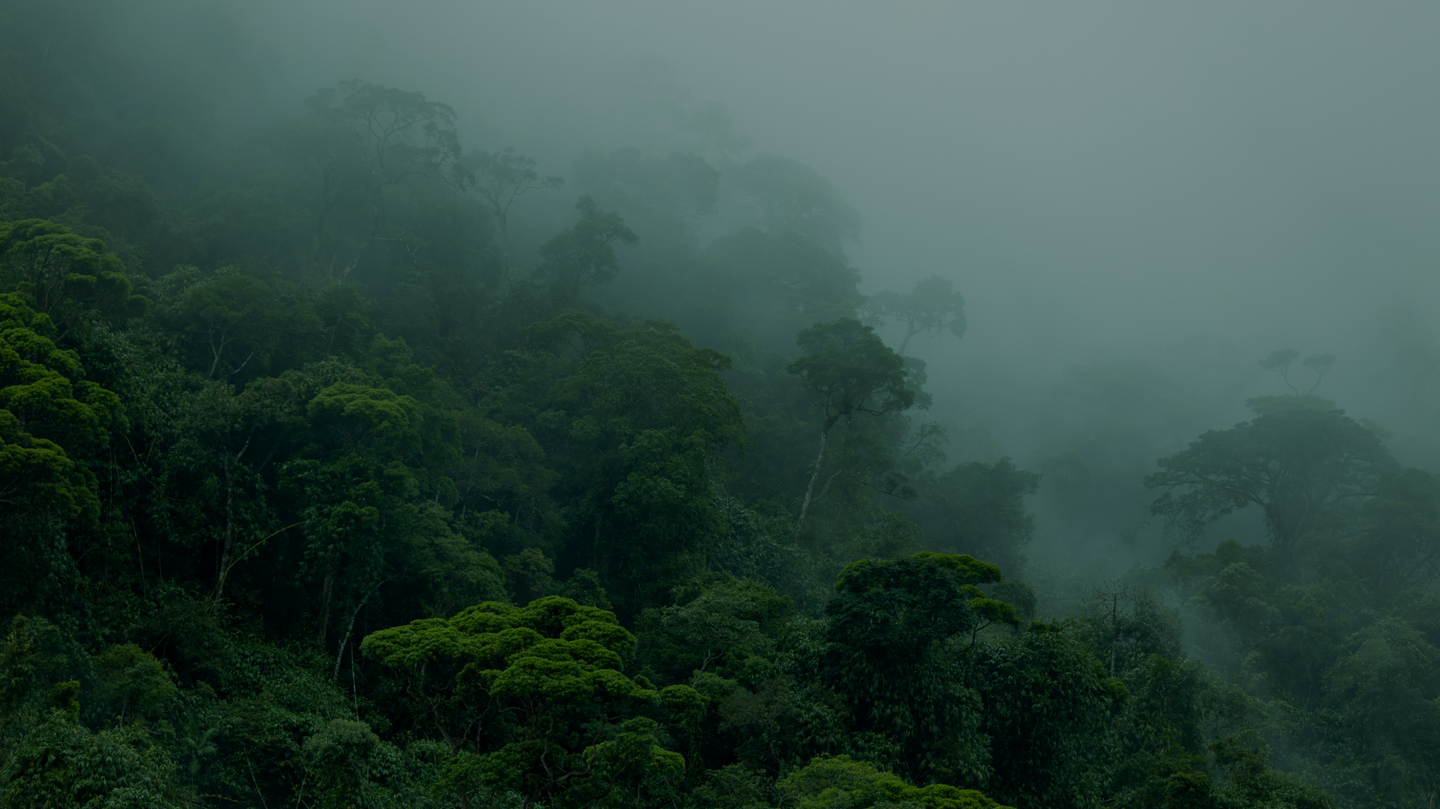
The Amazon is often seen by the world as a territory to be protected. But for the millions of people who live there, protecting the forest cannot be separated from protecting life. There can be no future for the Amazon while women, children, young people, Indigenous Peoples, Traditional Communities, and riverine populations continue to lack access to opportunities, infrastructure, clean water, technology, education, and the basic conditions needed to shape their own futures.

For decades, many communities and organizations have been subjected to cycles of dependency — on governments, large-scale enterprises, compensation schemes, temporary projects, political leaders, external funders and decisions that do not always foster autonomy or create pathways to a sustainable future. At the same time, there is a persistent challenge in ensuring that resources actually reach those on the ground, in the heart of the forest, in ways that are appropriate to local realities and ways of life. Experience shows that resources alone do not guarantee transformation. Without strong institutions, ethical governance, autonomy and a long-term vision, resources can be lost, captured or even reinforce cycles of dependency. It is in response to this challenge that the Institute seeks to innovate: by developing methodologies and mechanisms that enable resources to be deployed responsibly, transparently and in ways adapted to local realities, strengthening the autonomy of those who live in and care for the territory.

The YANUNI Fund emerges from the understanding that Amazon needs more than temporary projects. It needs lasting mechanisms capable of turning ideas into solutions and ensuring that Indigenous Peoples have the autonomy and resources to shape their own future.

Fund’s Target Areas

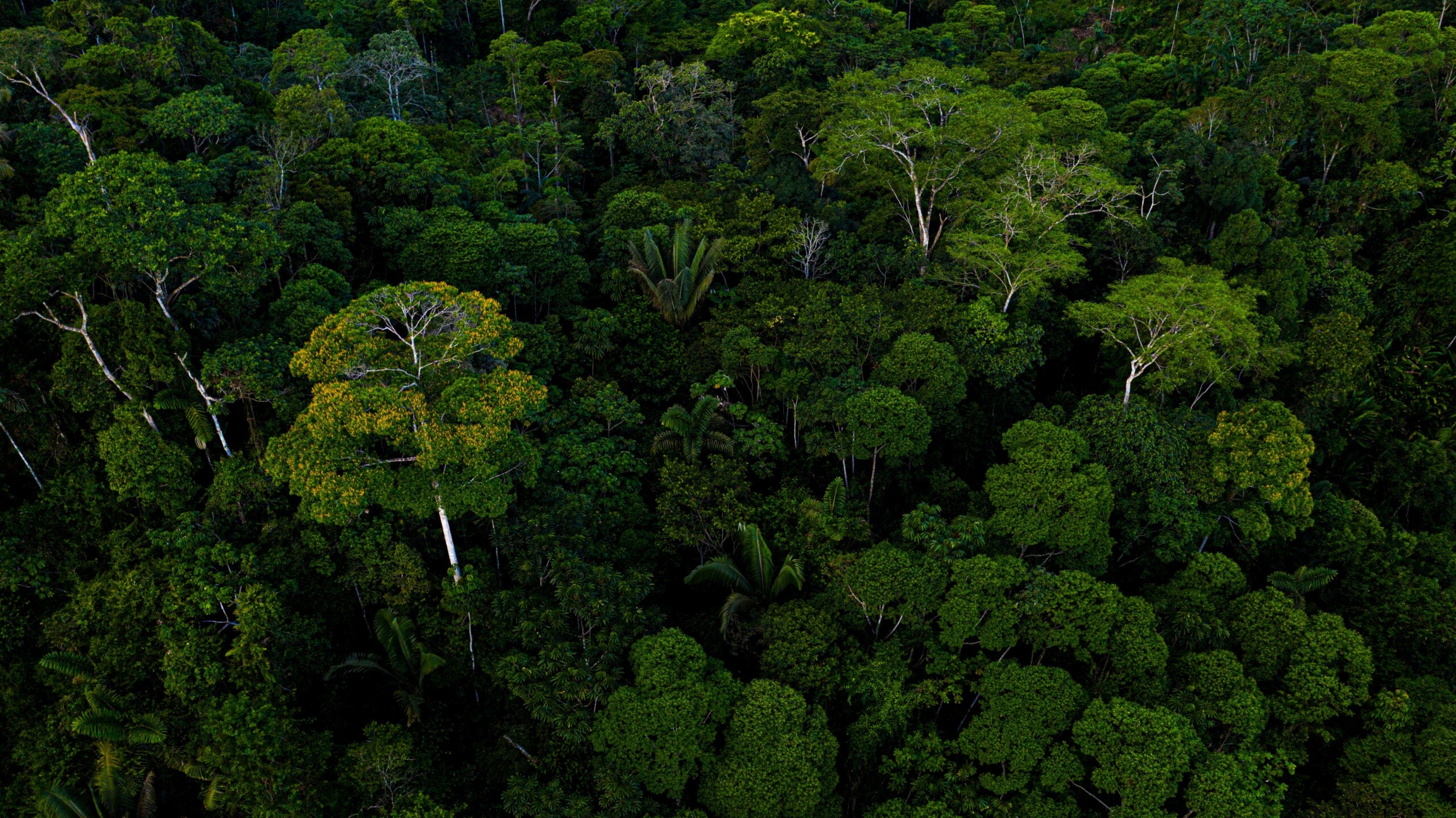
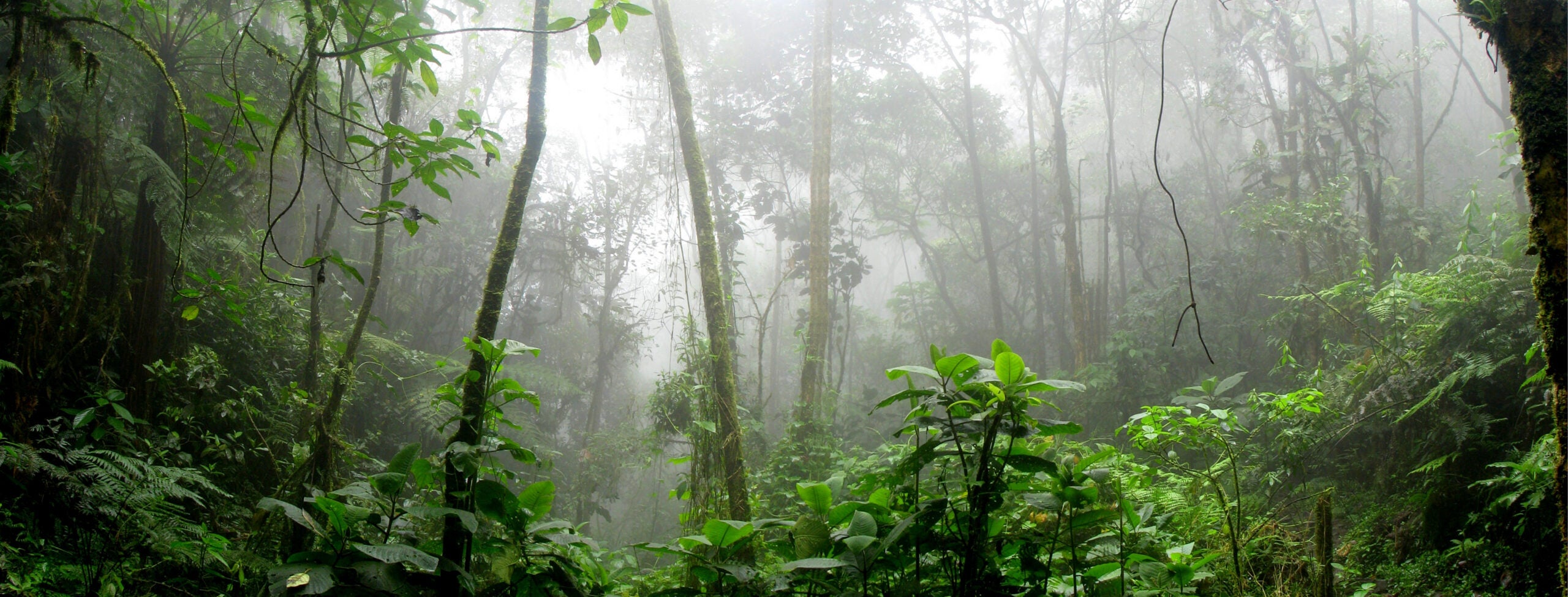
The Terra do Meio region, in Pará, is one of the largest and most important mosaics of protected areas in the Amazon, encompassing Indigenous Territories, Extractive Reserves, and Conservation Units that protects over 10 millions of hectares of rainforest. Within this landscape, the Xipaya Indigenous Territory, located in the Altamira region, is fundamental to protecting the territory, biodiversity, and ways of life of the Xipaya people. The Altamira region has historically faced significant pressures and socio-environmental impacts, including deforestation, illegal exploitation of natural resources, and the impacts associated with large-scale development projects. In this context, strengthening the protection and conservation of Terra do Meio and its Indigenous territories is critical to maintaining forest connectivity, protecting biodiversity, and safeguarding the rights and ways of life of the communities who live in the region.
  • Xipaya Indigenous Territory (TI Xipaya), Altamira, Pará, Brazil

    Approximately 180,000 hectares

  • Reserva Extrativista (RESEX) Rio Iriri

    Approximately 400,000 hectares

  • Reserva Extrativista (RESEX) Riozinho do Anfrísio

    Approximately 730,000 hectares

  • Estação Ecológica (Esec) da Terra do Meio

    Approximately 3.37 million hectares

Governance & Transparency

The YANUNI Fund will have three governance bodies to ensure transparency and Indigenous autonomy throughout the decision-making process:

  • 1. Executive Committee

    Responsible for defining and implementing priority actions. It will be composed of the President, Executive Director, and General Director of the Juma Institute.

  • 2. Advisory Council

    Composed of Indigenous and non-Indigenous organizations, civil society representatives, and collectives committed to protecting Indigenous Peoples, their territories, and the Amazon.

  • 3. Donors Committee

    A channel for ongoing information-sharing and engagement with the Fund’s supporters.

Operating Principles
Indigenous Leadership
Programmatic and narrative decisions led by the Juma Institute and the territories.

Adaptive Planning
A five-year plan, with annual budgets and periodic reviews of priorities.

Transparency
Financial and impact reporting, audits when applicable, and regular communication with donors.

Responsible Flexibility
Unrestricted and restricted funding aligned with the Fund’s pillars, without fragmenting the overall strategy.

Safety & Safeguards
Protection of defenders, informed consent, sensitive data, and traditional knowledge.

Learning
Simple indicators combining outputs, institutional strengthening, and changes within the territories.

How to Contribute

The Juma Institute was born from the need to build something different — an organization capable of acting with autonomy, creating opportunities, strengthening people and communities, and supporting solutions without depending on specific political or territorial structures. Its roots are in the Amazon, and its leadership is grounded in an Indigenous vision. But its mission does not belong to a single people, territory, or community.

The YANUNI Fund exists to build pathways toward hope and autonomy alongside people and initiatives committed to life, the forest, rights, and the future.

You are invited to be part of this story of transformation.
Stay in touch.

Get exclusive stories, behind-the-scenes updates, and ways to help—delivered to your inbox.

Donate for the wild.

Support real conservation impact—saving species, restoring ecosystems, and rewilding our world.

Donate